.avif)
What to do when your artwork is damaged by fire or smoke
Fire incidents can be devastating, and the damage often extends beyond flames to include smoke, soot, and even water used while extinguishing the fire. For art collectors and owners, this can feel overwhelming, however with the right steps, much of the damage can be mitigated.
Safety first
Before you do anything, ensure the property is safe and cleared by authorities. Fire-damaged environments can contain hazards like exposed wiring, broken windows, and unstable structures. If going inside, wear gloves and a mask to protect yourself from soot and harmful residues
Leave artworks where they are
Avoid moving paintings, works on paper, decorative frames, furniture, or any collectables unless absolutely necessary. Moving them could cause further damage or spread soot and smoke to other unaffected artworks. It is important to wait until the artworks are no longer hot, as this can be dangerous for your own safety. Also, movement while the materials are still warm could cause further damage.
It is important to take clear photographs of the damage for insurance purposes and keep records of all steps taken. This will help with claims and conservation moving forward.
After recovery
Remember to never wipe or touch the surface of paintings or works on paper. Soot particles can become embedded into the paint layers or supports, causing further damage that is more difficult to remove. Although we understand this is well-intentioned, it is unknown how this could affect the artworks in the long term.
If it is safe to do so, keep artworks in a cool, dry space away from direct sunlight or heat sources. Cover fragile surfaces with acid-free paper or clean cotton sheets to prevent further contamination. If frames or artworks are too fragile, it is better to leave them as they are until a professional conservator can inspect the items in person.
Contacting a conservator for assessment
It is important to contact a conservator as soon as possible. The longer soot and smoke remain on artworks, the more they can react with different layers, such as varnishes and pigments, causing discolouration and deterioration. Prompt professional intervention can save both the aesthetic and financial value of your collection.
While there are companies with expertise in restoration of general household materials, the assessment and management of damaged artworks, such as paintings, watercolours, prints, frames, furniture, sculptures, ceramics, tapestries, textiles, taxidermy, bronzes and other collectables should be undertaken by a conservator from the beginning. Most works of art have very delicate properties, and when cleaned inappropriately, further damage and loss of value can occur over time.
When first contacted by the client or, in some cases, via the insurer, we always ask for images of the affected artworks. This gives us an idea of the scale of damage and how best to react. We ask for clear photos of the front and back of each item that are safe to handle.
We then would usually advise a site visit unless it is safe and easier for the artworks to come into our lab.
Assessing the artworks
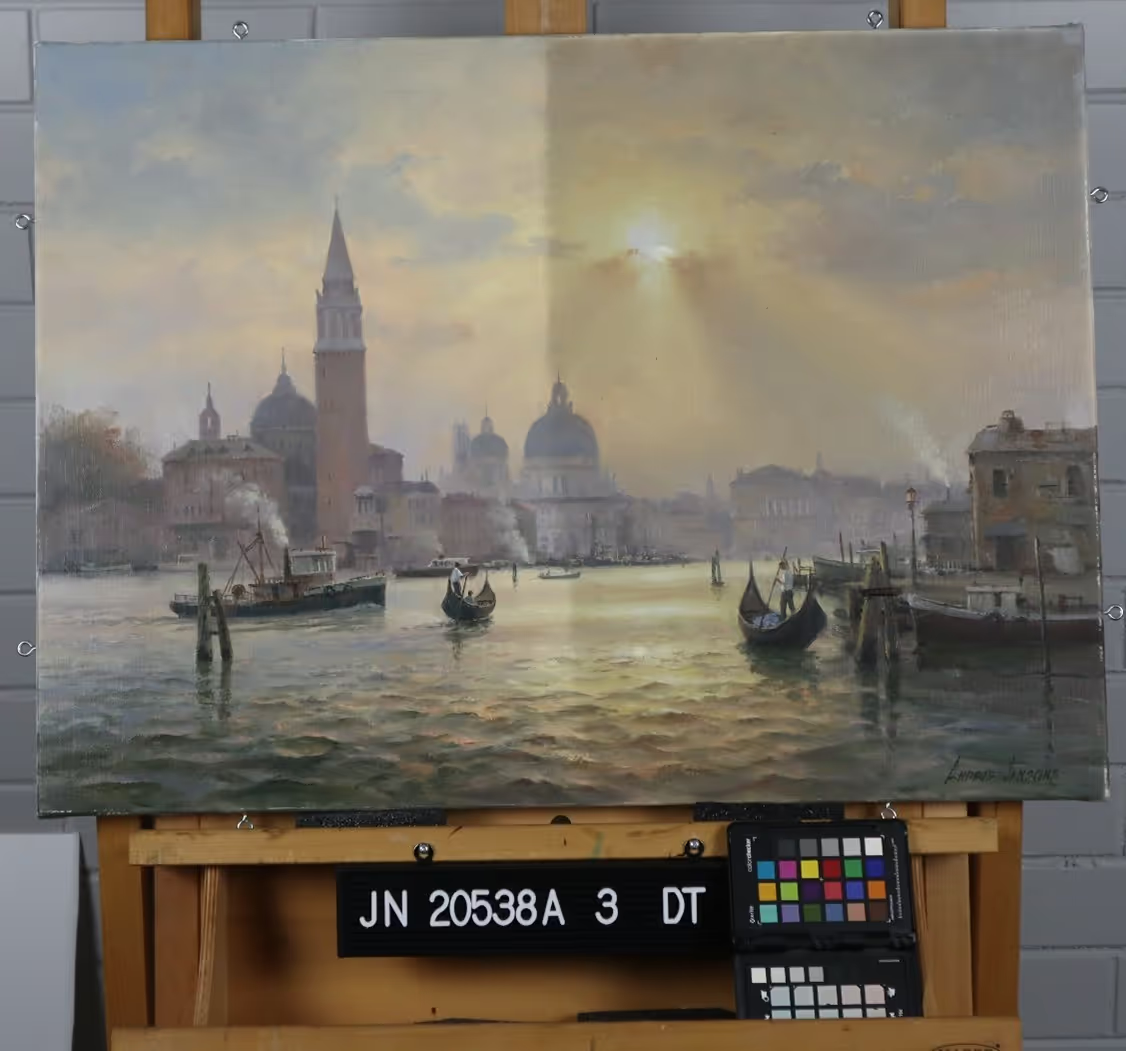
During an on-site visit, our conservators will conduct a thorough assessment of the condition of each piece affected by smoke and/or fire. We take measurements, usually run a few small tests to see how well soot can be removed, and take further detailed images. From there, we produce a condition report detailing each item, the proposed treatment methodology and the cost per item.
It is important to note that smoke can travel and also affect items not contained within the damaged area. Smoke or soot damage can be difficult to see on all artworks, particularly if they were not directly impacted. While we will be guided by the artworks the client has identified, we recommend that all artworks are assessed to make sure less visible damage is not missed. While some artworks may not show visual signs of damage, they may still require treatment for soot accumulation or lingering odour.
COMMON DAMAGE ISSUES AFTER FIRE
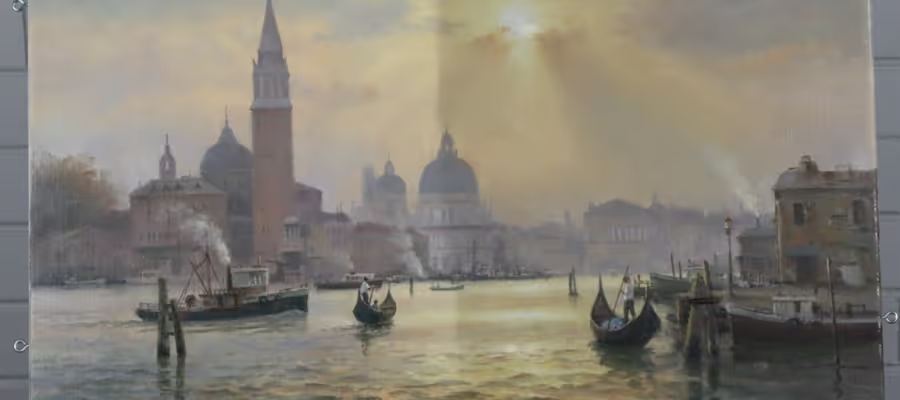
Smoke and soot damage
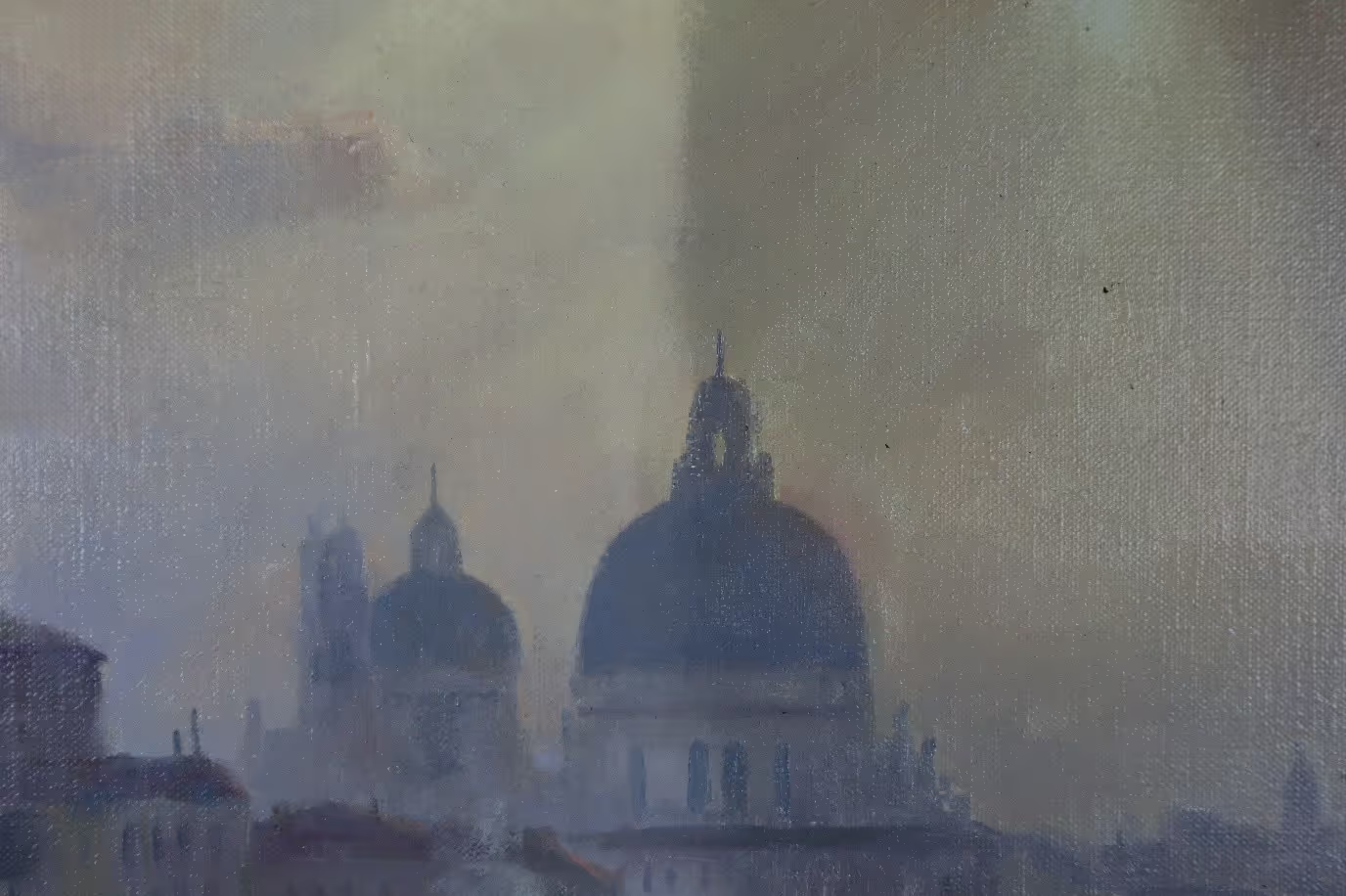
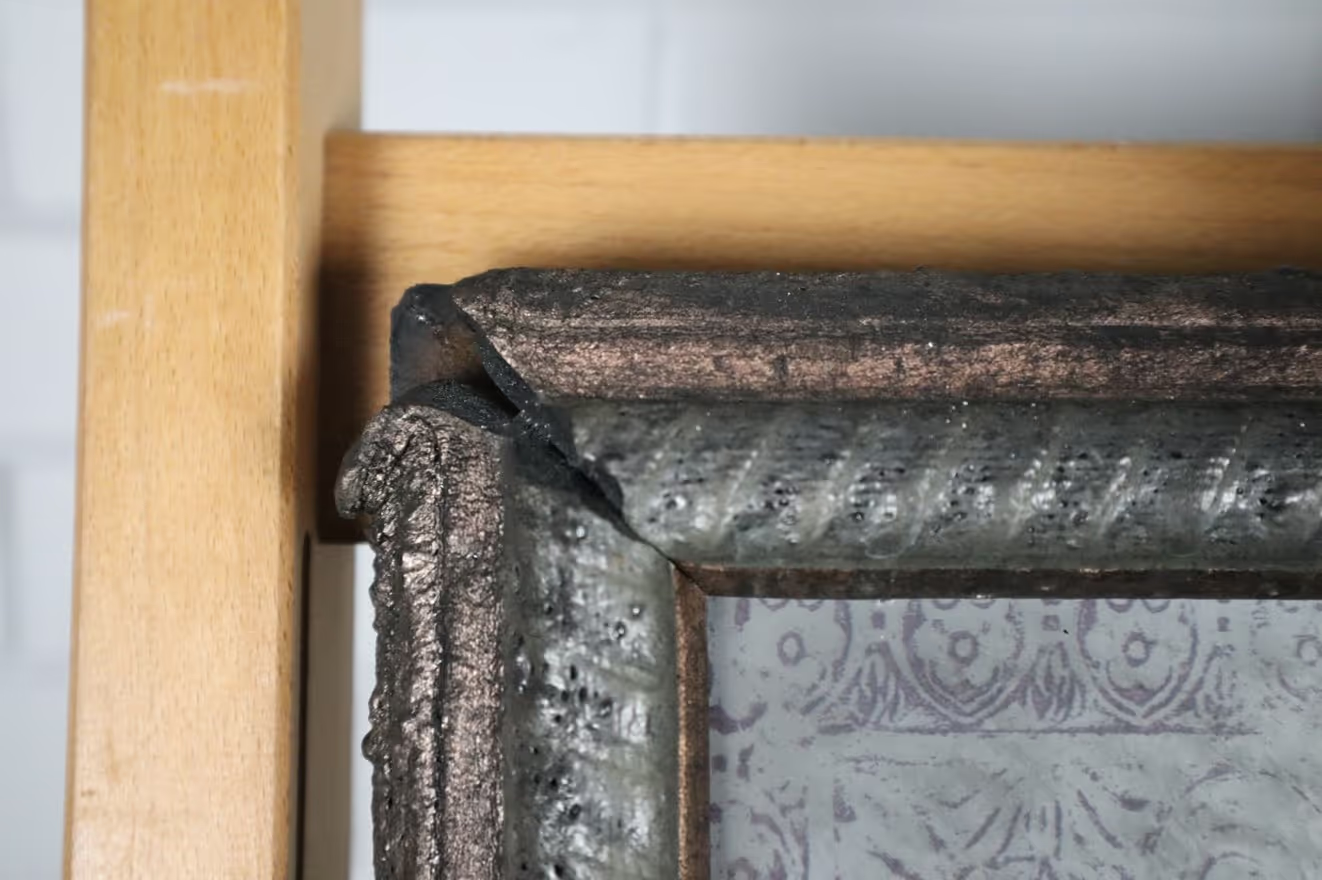
- Our conservators are able to carefully remove smoke and soot from the surface without compromising paint layers, gilt frames, varnishes or any fragile surface.
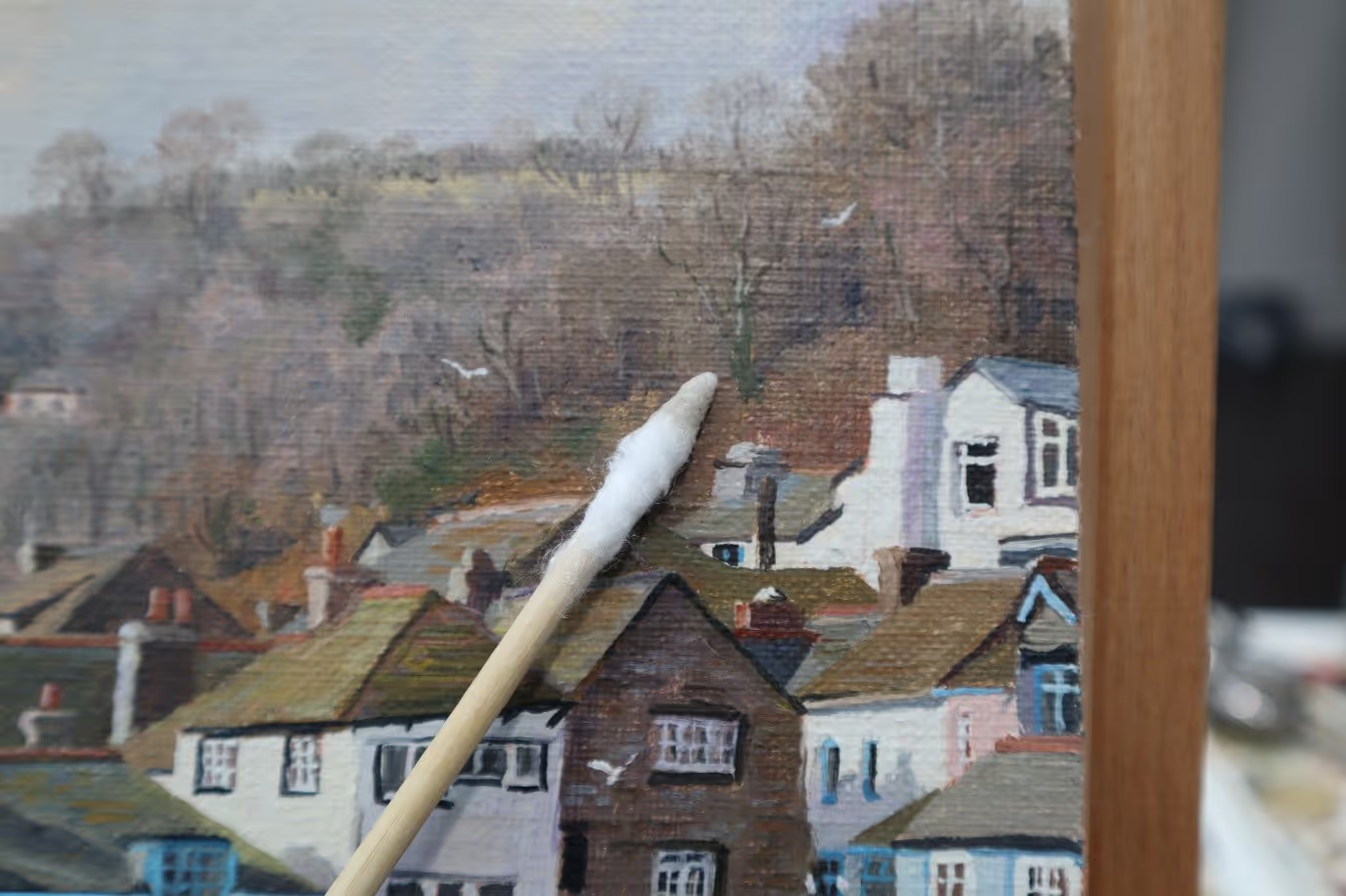
- Artworks are carefully brush vacuumed, and then further aqueous cleaned to remove ingrained smoke and particles.
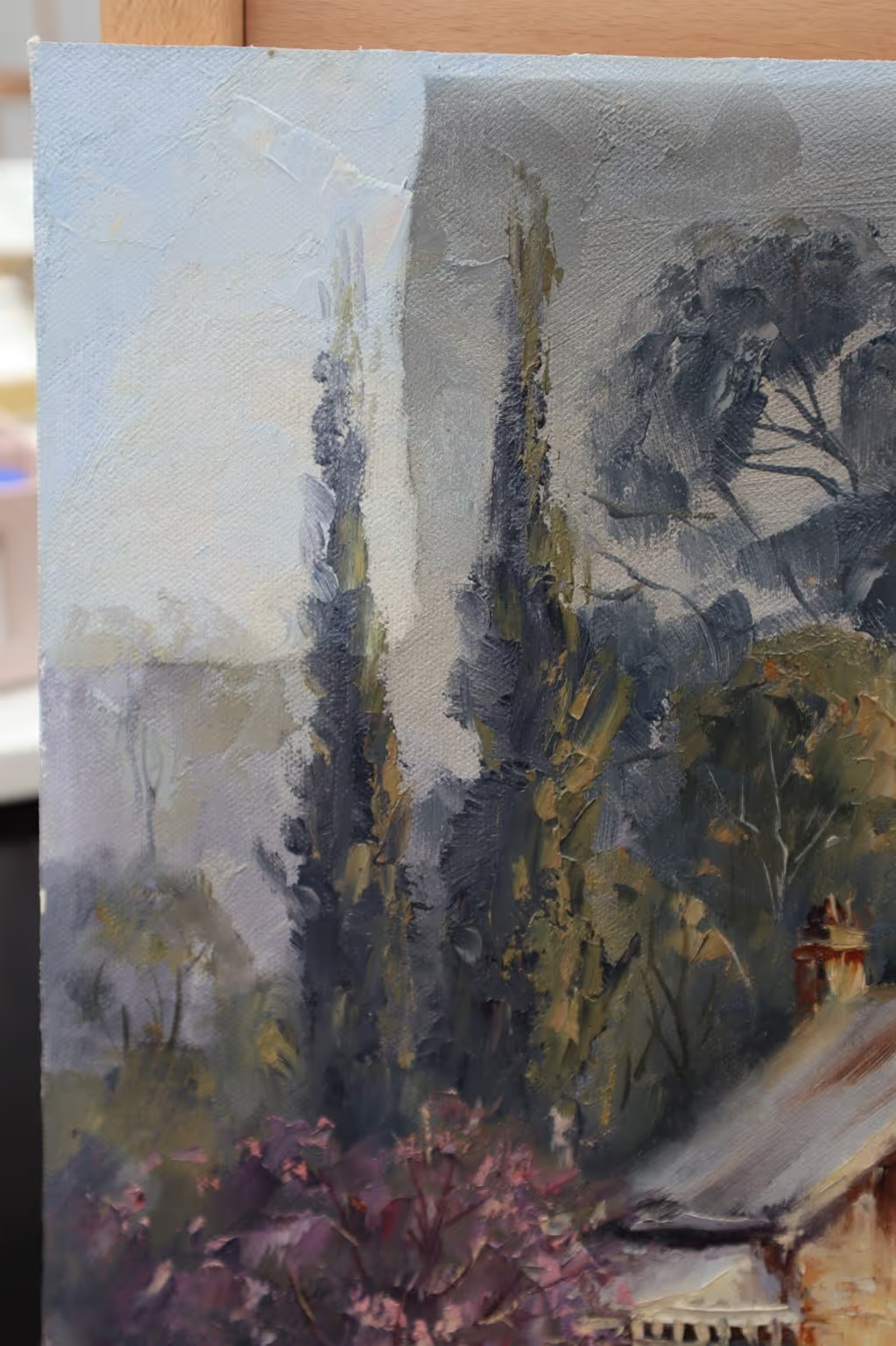
Blistering, flaking and cracking
- Heat is very detrimental to artworks, causing blistering of paint, flaking of paint layers and cracking or the surface.
- Our conservators can expertly consolidate losses, flatten areas that have blistered, and fill and inpaint to match the surrounding areas where paint has been lost.
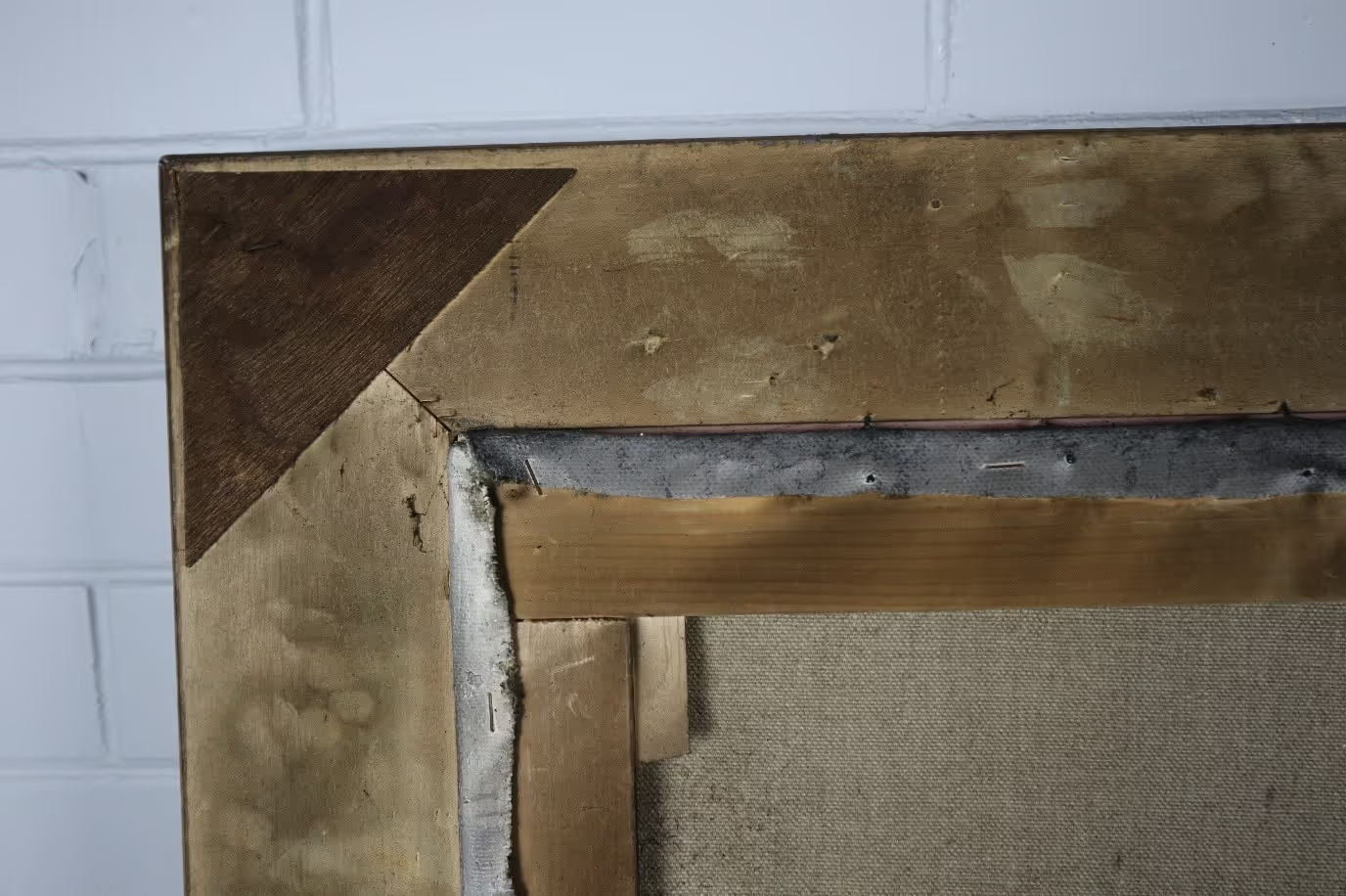
Warping of the stretcher bars
- Warping of stretcher bars is a common occurrence after a fire.
- Our conservators can expertly unstretch the canvas from the stretcher and re-stretch the canvas over a new conservation-grade stretcher.
- Warping can put tension on the canvas and can lead to tears and distortions.
- These can be repaired during treatment, where our conservations can perform single thread bonding, reweaving the canvas that has been torn or lost, creating an almost invisible repair.
Water damage
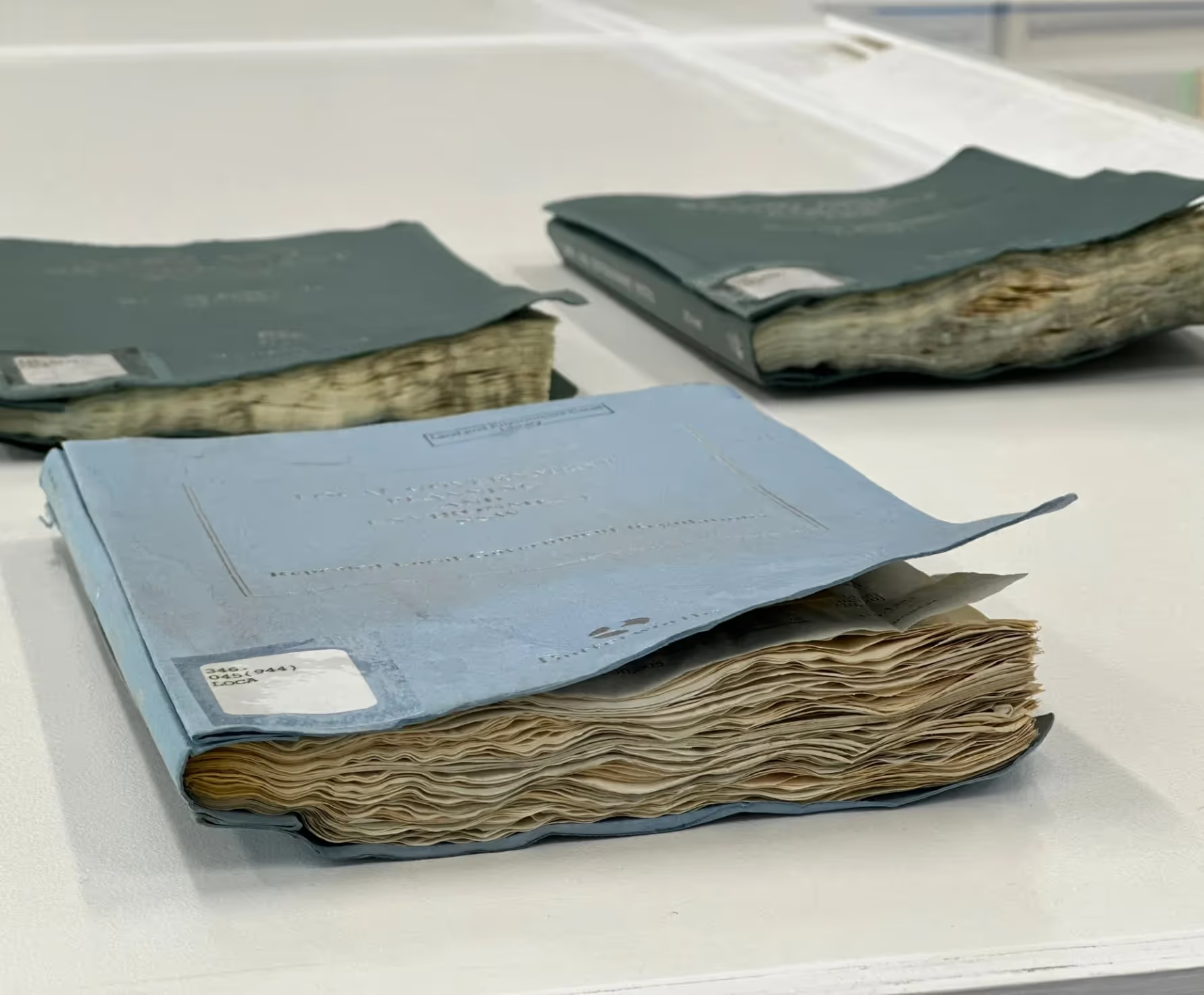
- Water is used to extinguish fires and, in turn, can cause its own damage to artworks.
- It is common to see water stains, unstable paint due to the increase in humidity, and mould starting to appear.
- Our conservators can perform mould triage and treat water damage on both paintings and paper artworks.
ICS conservators have successfully treated all of the issues listed above and completed the necessary work to ensure the artworks' areas are fully stabilised and strengthened, ready to be displayed again.
Fire damage does not have to mean the end for your treasured artworks. With careful handling and expert conservation, paintings, works on paper, frames, furniture and other collectables can often be returned to their former excellent condition.
Find out more about how we can assist you to navigate art insurance claims.
Share
.png)
.png)